
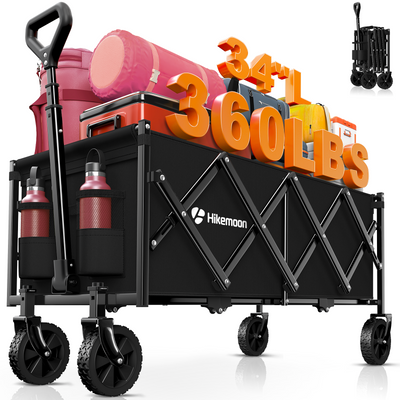
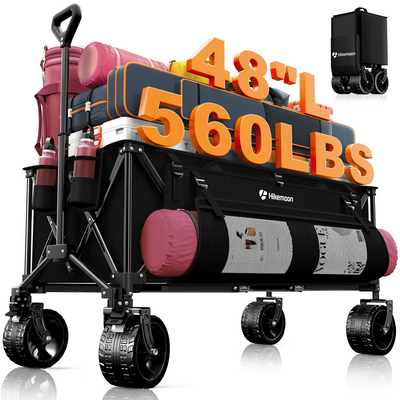
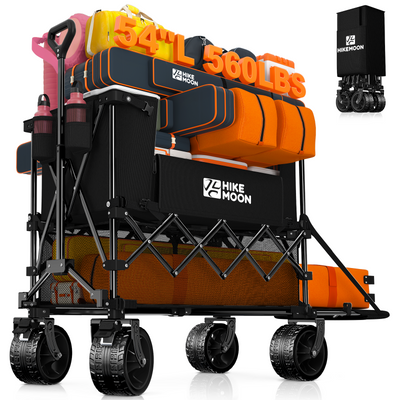
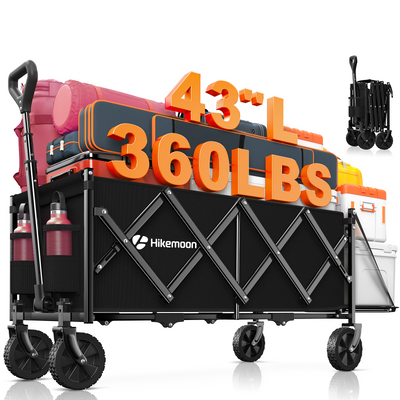


Folding wagon fabric can usually be cleaned with simple tools: a soft brush, damp cloth, mild soap, and clean water. The safest method is to remove loose dirt first, spot clean stains, rinse lightly, and let the fabric dry fully before folding or storing the wagon.
Can You Clean Folding Wagon Fabric Safely?
Folding wagon fabric is best cleaned with a gentle, controlled method. The goal is to remove dirt, sand, mud, and spills without soaking the whole wagon or using harsh chemicals that may affect the fabric, seams, frame, or folding parts.
Check the Care Instructions Before You Start
Before cleaning, check the product care instructions if they are available. Different wagons may use different fabric, coating, stitching, and frame materials, so not every wagon fabric is removable or machine washable. If the care instructions do not clearly say the fabric can be machine washed, spot cleaning and hand cleaning are safer choices.
Choose Spot Cleaning Over Heavy Washing
For most everyday messes, spot cleaning is enough. A damp cloth, soft brush, and mild soap can handle dust, light dirt, food stains, and small spills without over-wetting the wagon. Heavy washing should only be used when the wagon is very dirty, and even then, you should avoid long soaking, strong pressure washing, or high heat because these can affect the fabric, seams, frame, or folding parts.
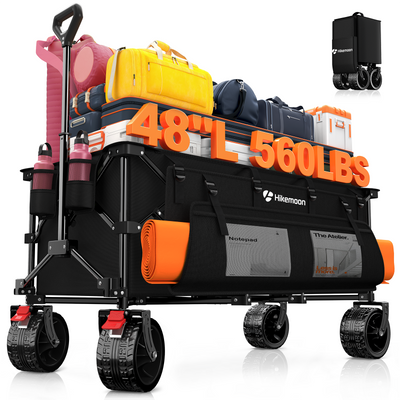
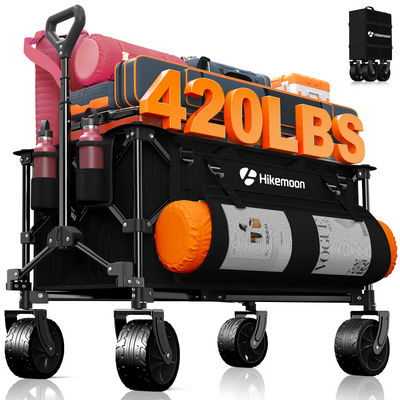
For users who often carry beach gear, groceries, camping items, or outdoor supplies, a larger folding wagon such as the 300L Extra Large Foldable Wagon Cart may be worth comparing. It offers a 300L capacity, a reinforced steel frame with up to 560 lbs static load capacity and 440 lbs dynamic load capacity, tear-resistant waterproof 600D Oxford fabric, and 7" × 4" all-terrain wheels with brakes. These features make it useful for heavier outdoor hauling, but the fabric should still be cleaned gently after messy use.

What Should You Do Before Washing the Fabric?
Before using water, remove as much dry debris as possible. This makes cleaning easier and prevents sand, mud, and crumbs from spreading into the fabric.
Empty the Wagon and Shake Out Loose Debris
Start by removing everything from the wagon, including bags, towels, tools, toys, groceries, garden supplies, and small items left in the corners. Then open the wagon fully and shake out loose dirt, sand, leaves, grass, food crumbs, or dry debris. If the wagon has pockets or cup holders, check those areas too.
Brush Away Dry Sand, Dirt, Leaves, and Mud First
Use a soft brush, small broom, or handheld vacuum to remove dry debris from the fabric, corners, seams, and bottom area. This is especially helpful after beach trips, yard work, or sports field use. If there is thick mud, let it dry first when possible because dry mud is usually easier to brush off than wet mud, which can smear deeper into the fabric.
How to Clean Folding Wagon Fabric Step by Step
Once loose debris is removed, clean the fabric gently. Use only as much water as needed, and focus on the dirty areas first.
Wipe the Fabric With a Damp Cloth
For light dirt, wipe the fabric with a damp cloth. This works well for dust, small marks, dried grass, and everyday use. Do not soak the fabric at this stage because a damp cloth gives you more control and helps avoid leaving too much moisture inside the wagon.
Use Mild Soap for Stains and Spills
For stains, sticky spots, or drink spills, mix a small amount of mild soap with water. Dip a cloth or soft brush into the mixture and gently clean the affected area. Avoid aggressive scrubbing. If the stain is stubborn, clean it in several light passes instead of pressing hard into the fabric.
Rinse Lightly Without Soaking the Wagon
After using soap, wipe the area again with clean water to remove residue. Soap left in the fabric can attract dirt or leave a sticky feel. A light rinse or clean damp cloth is usually enough. Avoid soaking the whole wagon unless the product instructions say it is safe to do so.
How to Handle Common Fabric Messes
Different messes need slightly different cleaning steps. The right approach depends on whether the wagon has sand, mud, food, drinks, or yard debris inside. If your wagon is mainly used outside, comparing outdoor wagons can also help you think about fabric care, wheel cleaning, and storage habits before buying.

Sand and Salt After Beach Trips
After a beach trip, start by shaking out loose sand before adding water. Then use a soft brush or handheld vacuum to clean the fabric corners, seams, and bottom area. If the wagon was exposed to saltwater or wet beach gear, wipe the fabric with clean water and use a light rinse where needed. Sand can also collect around the wheels and lower frame, so if beach trips are a regular use case, it helps to understand how wagon wheels for sand affect pulling, sinking, and cleanup after soft-sand use.
Mud, Soil, and Mulch After Yard Work
For mud, soil, mulch, and garden debris, remove large pieces first. Brush away dry dirt before wiping the fabric. If soil or mulch leaves stains, use mild soap and a damp cloth. Be careful with sharp garden tools, broken branches, or rough objects because they can scrape or damage the fabric. If you often use a wagon around soil bags, plants, leaves, and tools, small habits like loading heavier items low and keeping sharp tools away from the fabric can make everyday yard work wagon tips useful beyond just hauling.
Food, Drinks, and Sticky Spills
Food crumbs should be removed before wiping the fabric. For drink spills, clean the area as soon as possible so the liquid does not dry into the fabric or leave an odor. For sticky spills, use mild soap and warm water, then wipe the area again with clean water so no soap or sugar residue remains.
How to Dry and Store the Wagon After Cleaning
Drying is just as important as cleaning. Most odor and mildew problems come from trapped moisture, leftover debris, or folding the wagon too soon.
Air Dry the Fabric, Seams, and Bottom Area Completely
After cleaning, leave the wagon open in a shaded, ventilated area. Let the fabric, seams, corners, pockets, and bottom area dry completely. If there is extra moisture, use a dry towel to absorb it first. This can help the wagon dry faster, especially if you clean it indoors or in a small space.
Remove Wet Towels, Soil, and Beach Gear Before Storage
Do not leave wet towels, damp beach gear, muddy tools, or soil bags inside the wagon after use. These items can trap moisture and create odors. Before storing the wagon, check that nothing wet or dirty is left inside. This simple step can prevent many fabric care problems.
Store the Wagon in a Dry, Ventilated Place
Store the wagon in a dry place such as a garage, closet, shed, or vehicle trunk after cleaning, but avoid hot, damp, or tightly enclosed spaces for long-term storage. If the storage space is humid, give the wagon more time to air out before folding it. Moisture can lead to mildew, odor, and harder-to-clean fabric later.
What Should You Avoid When Cleaning Wagon Fabric?

Some cleaning methods can do more harm than good. When in doubt, use the gentlest method that removes the mess.
Avoid Bleach and Harsh Chemicals
Do not use bleach or harsh chemicals unless the product care instructions clearly allow it. Strong cleaners may affect fabric color, coating, stitching, or texture. For most stains, mild soap is the better first choice. Test any cleaner on a small, less visible area before using it widely.
Avoid Long Soaking, Machine Drying, and High Heat
Avoid soaking the whole wagon for a long time. Folding wagons include fabric, frame parts, screws, wheels, and joints, so too much water can be hard to dry completely. Do not use machine drying or high heat unless the manufacturer says it is safe. Air drying is the safer option for most folding wagon fabric.
Avoid Strong Pressure Washing on Fabric Seams
A pressure washer may seem convenient, but strong water pressure can be too harsh on fabric seams, stitching, and corners. If you need to rinse the wagon, use a light rinse instead. Focus on removing soap and surface dirt without forcing water deep into the seams.
How to Keep Folding Wagon Fabric in Good Condition
Good fabric care is mostly about simple habits. Clean the wagon after messy use, avoid sharp loads, and check key areas before storage.
Clean the Wagon Soon After Messy Outdoor Use
After beach trips, camping, sports games, grocery runs, or yard work, remove debris as soon as you can. Dirt and spills are easier to clean before they sit too long. You do not need to deep clean the wagon after every use. A quick shake-out, wipe-down, and dry check are often enough for regular maintenance.
Protect the Fabric From Sharp Tools and Rough Loads
Fabric can wear faster if sharp tools, rough branches, metal edges, or heavy items press directly into it. When carrying garden tools, camping gear, or bulky supplies, keep sharp edges away from the fabric walls. Place heavier items low and evenly inside the wagon to reduce stress on the fabric and make the wagon easier to pull and control.
Check the Wheels, Frame, and Folding Areas Before Long Storage
Although the fabric is the main focus, the wheels, frame, and folding areas also affect long-term use. Dirt, sand, or mud trapped near the wheels or folding joints can make the wagon harder to open, close, or roll. Before long storage, clear trapped dirt from the folding areas, especially if you plan to fold a wagon cart right after outdoor use.
Final Thoughts
Folding wagon fabric is usually easy to care for if you clean it gently and dry it properly. Start by removing loose debris, then spot clean stains with a damp cloth and mild soap.The most important habit is to clean debris early and give the wagon enough time to air out before storage. With regular light cleaning and careful storage, your folding wagon can stay cleaner, fresher, and easier to use after beach trips, yard work, grocery runs, and outdoor activities.
FAQs
Can you hose down a folding wagon?
You can lightly rinse some folding wagons, but avoid soaking the whole wagon unless the product instructions say it is safe. A damp cloth or light rinse is usually better for routine cleaning.
Can folding wagon fabric be machine washed?
Do not machine wash folding wagon fabric unless the manufacturer clearly says it is removable and machine washable. Spot cleaning and hand cleaning are safer for most wagons.
Can you store a folding wagon while damp?
No, it is better not to store a folding wagon while the fabric is damp. Moisture trapped in folded fabric can lead to odor or mildew.
How often should you clean folding wagon fabric?
Clean light dirt after regular use, especially if the wagon carried groceries, sports gear, or outdoor supplies. A more thorough cleaning is useful after beach trips, camping, yard work, food spills, or muddy conditions. You do not need to deep clean it every time, but removing debris early makes stains and odors easier to prevent.