
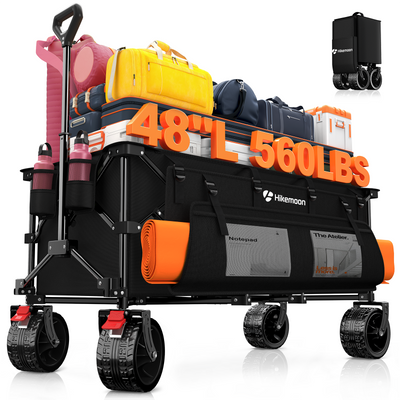

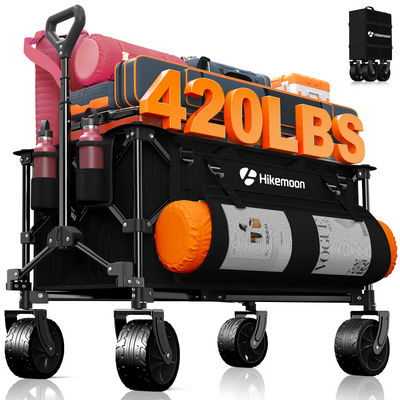

If you've ever spent a Saturday hauling mulch back and forth across the yard, you already know the problem: most of your time goes into moving stuff, not actually doing the work. A yard work wagon fixes that. You load everything up, roll it where it needs to go, and get back to the task at hand. The tips in this guide will help you get the most out of yours, whether you're planting, cleaning up, or anything in between.
Choosing the Right Yard Work Wagon for Your Yard
Not every wagon is built for the same job, and picking the wrong one is one of the most common mistakes people make. Before you buy, it's worth spending a few minutes thinking about what you'll actually be using it for.
Match the Wagon to Your Terrain
The ground you're working on makes a big difference in which wagon will actually work for you. If your yard is mostly flat with a paved driveway or stone path, a standard wagon with smaller wheels will get the job done just fine. But if you're dealing with soft grass, gravel, or uneven ground, you'll want larger pneumatic (air-filled) tires. They roll over rough surfaces much more easily and won't sink into soft soil the way smaller hard wheels do.

Dump Cart, Flatbed, or Folding Wagon
These three types cover most backyard needs, and each one has a sweet spot. A dump cart is ideal if you're moving loose materials like mulch, leaves, or compost. You just pull a lever and the bed tilts back to unload everything at once, no shoveling required. A flatbed-style wagon is better for hauling pots, tools, firewood, or anything that needs to stay upright and stable. A folding wagon is the most compact option and works well for lighter gardening tasks, especially if storage space is tight.
Here's a quick look at how they compare:
|
Wagon Type |
Best For |
Key Advantage |
Watch Out For |
|
Dump Cart |
Mulch, soil, leaves, compost |
Fast, easy unloading |
Can self-tip if overloaded |
|
Flatbed / Utility Cart |
Pots, tools, firewood, rocks |
Stable, high capacity |
Needs more storage space |
|
Folding Wagon |
Light gardening, small yards |
Compact, easy to store |
Lower weight limits |
What Size and Weight Capacity Do You Actually Need
A good rule of thumb: think about the heaviest single load you'll carry regularly, then pick a wagon with a capacity that gives you some breathing room above that. For most homeowners doing general yard work, something in the 300 to 600 lb range covers the majority of tasks. If you're regularly hauling gravel, wet soil, or large rocks, look at heavy-duty models rated for 800 lbs or more. Going too small means you'll either have to make more trips or risk wearing out the wagon faster than you should.
If you're still deciding, here are two solid options worth checking out:
Folding Garden Wagon: Best for everyday gardening tasks and yards with limited storage space.
Heavy Duty Folding Wagon: Best for heavier hauling jobs like mulch, soil bags, and firewood.
How to Load Your Wagon the Right Way
Even a great wagon can be frustrating to use if you're not loading it correctly. A few simple habits go a long way toward making every trip easier and safer.
Heavy Items at the Bottom, Always
This one sounds obvious, but it's easy to skip when you're in a hurry. Putting the heaviest things (soil bags, rocks, a water jug) at the bottom of the wagon keeps the center of gravity low, which makes the whole thing much more stable and easier to pull. Stacking something heavy on top of lighter items is a recipe for a tipped wagon and a mess you didn't plan on.
How to Handle Loose Materials Without the Mess
Hauling compost, mulch, or wood chips can get messy fast. A simple trick that works well is to line the inside of the wagon with a tarp before you load it. The tarp catches everything, and when you're done spreading the material, you just lift it out and shake off the residue. No scrubbing the wagon bed afterward. If you're mixing soil amendments before applying them, you can actually do the mixing right inside the wagon and then wheel it directly to your garden beds.
What Not to Overload (And Why It Matters)
Every wagon has a weight limit printed somewhere on the frame or in the manual, and it's worth paying attention to it. Overloading doesn't just make the wagon hard to move. It puts real stress on the wheels, axle, and frame over time, which can lead to parts breaking down faster than they should. If you're unsure whether a load is too heavy, do a quick test pull on flat ground. If it feels like you're dragging it more than rolling it, split the load into two trips.
Using Your Yard Work Wagon for Gardening Tasks

A wagon earns its keep fastest in the garden. Once you start using it as part of your regular gardening routine, you'll wonder how you managed without it.
Moving Soil, Mulch, and Compost Without the Back Pain
Hauling a 40-lb bag of potting soil eight times across the yard adds up fast on your lower back. Load those bags onto the wagon at the start and roll them to where you need them. It's a small shift in habit that makes a real difference by the end of the day. For loose mulch or compost, use the tarp-lining method mentioned earlier so you can dump and go without a cleanup project at the end.
Transporting Plants and Pots Safely
A wagon's flat, stable bottom is actually perfect for moving potted plants around the yard. Unlike a wheelbarrow, which can make pots tip sideways, a wagon keeps everything upright as long as you load it with care. For taller or top-heavy pots, wedge smaller items or folded burlap around the base to keep them from shifting. This also comes in handy when you're redesigning a garden bed and need to try different arrangements. Just roll the plants around until the layout looks right.
Turn Your Wagon into a Mobile Tool Station
One of the most underrated uses of a yard work wagon is turning it into a rolling toolbox for the day. Before you head out, load it up with everything you'll need: trowels, pruners, gloves, a watering can, seed trays, plant markers. As you move from one bed to the next, the wagon comes with you, so you're never stuck walking back to the shed because you forgot something. You can take this further by securing a few small buckets or bins inside the wagon to keep tools sorted by task.
Using Your Yard Work Wagon for Cleanup Jobs
Cleanup is where a wagon really proves its value. The amount of time you save by hauling large loads at once, rather than making trip after trip with your arms full, is surprisingly significant.

Fall Leaf and Debris Cleanup Made Faster
The classic fall cleanup problem: you rake a big pile of leaves, and then you have to figure out how to get them to the compost pile or the curb. Instead of bagging them or carrying armloads, pull the wagon alongside you as you rake and load the leaves directly in. Once it's full, haul everything in one trip. The visual progress of a clearing yard also helps keep you motivated. You can actually see the work getting done, which makes it easier to keep going.
Hauling Branches and Yard Waste in One Go
Branches and pruning debris are awkward to carry. They're bulky, sometimes thorny, and they like to poke through bags. A wagon handles them much better. Stack the branches lengthwise so they lie flat, and if any pieces are sticking up high, take a few minutes to break them down first. For thorny material, a pair of thick gloves and a tarp liner will save you a lot of grief.
Spring Cleanup Routine That Actually Saves Time
Spring cleanup involves a lot of different jobs happening at the same time: clearing out dead plants, spreading fresh mulch, adding soil amendments, moving things around after winter. The most efficient approach is to treat your wagon like a base camp. Load it with everything you'll need for one section of the yard, complete that section fully, then reload and move to the next. You end up making far fewer trips and finishing the whole job with a cleaner sense of progress.
How to Navigate Tricky Terrain Safely
Flat, dry ground is easy. The tricky part comes when you're dealing with slopes, wet grass, or gravel paths.
On a slope, walk alongside the wagon rather than in front of it, and keep a firm grip on the handle going downhill. If your wagon doesn't have a wheel lock, park it perpendicular to the slope whenever you stop. On soft or wet grass, avoid sharp turns when fully loaded since that's when wheels are most likely to dig in or tip. On gravel, keep a steady pace and skip the quick starts and stops.
Simple Maintenance Habits That Keep Your Wagon Rolling
A yard work wagon doesn't ask for much, but a little routine care goes a long way.
After every use, shake out debris and rinse the frame if it's been in contact with soil, compost, or fertilizer. Let it dry completely before storing to prevent rust. If your tires are pneumatic, check the pressure every few weeks and keep them inflated to the level on the sidewall. Once or twice a season, add a little grease to the axle and wheel hubs. At the end of the season, store the wagon in a garage or shed, or throw a weatherproof cover over it.
Final Thoughts
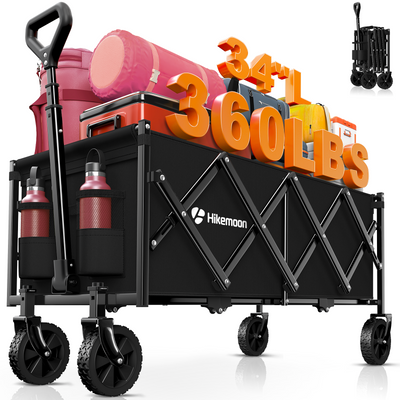
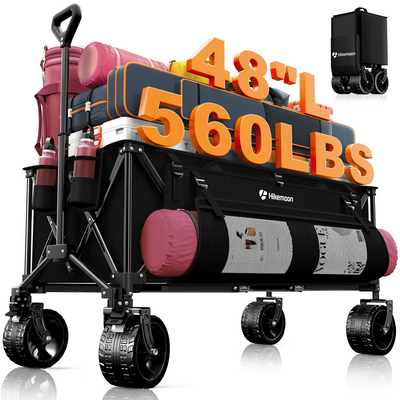
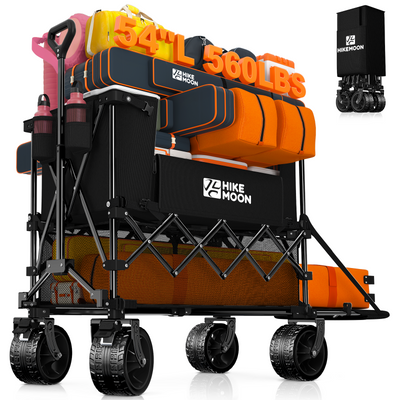
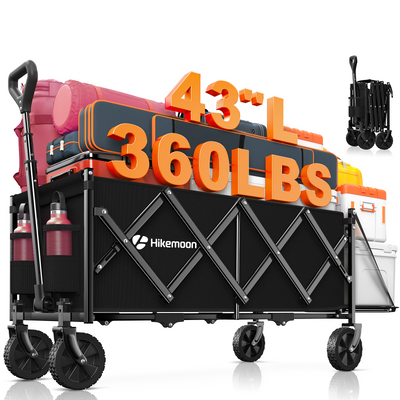
A yard work wagon can make gardening and cleanup easier by reducing repeated trips and heavy lifting. Choose one that matches your terrain, load, and storage needs. A HIKEMOON folding wagon can be a practical option for carrying tools, soil, plants, and yard waste.
FAQs
Can I use a yard work wagon on a steep slope?
Yes, but take smaller loads than usual. A lighter wagon is much easier to control on the way down and puts less strain on you if you need to slow it down quickly.
How is a yard work wagon different from a wheelbarrow?
A wheelbarrow is pushed and balanced on one or two wheels, which works well in tight spaces but gets harder with heavy loads. A wagon has four wheels and is pulled, making it more stable and better suited for larger, heavier hauls.
What can I haul in a yard work wagon besides garden waste?
Quite a lot. Firewood, camping gear, bags of pet food, and outdoor furniture are all common uses. Anything heavy or bulky that needs to move across the yard is fair game.
How do I stop loose materials from spilling out of my wagon?
Line the bed with a tarp before loading. The edges fold up against the sides to contain everything, and cleanup afterward is as simple as lifting the tarp out.
More reading: 10 Creative Ways to Use a Collapsible Wagon Cart