
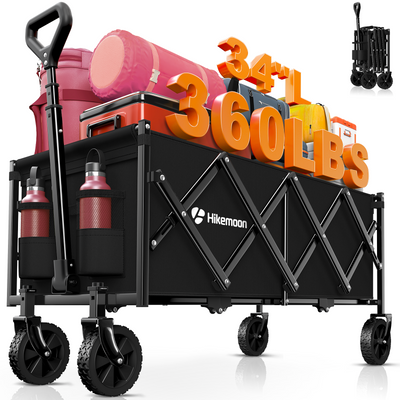
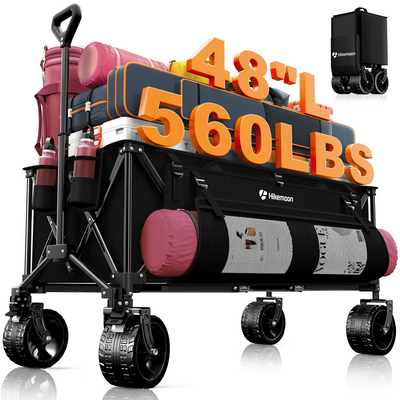
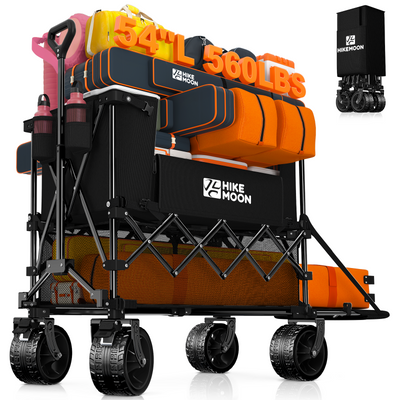
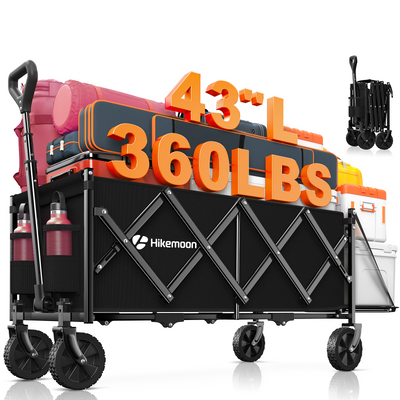


Folding a wagon cart properly keeps it compact, clean, and easier to move. With the right steps, you can protect the frame, avoid stuck joints, and store your wagon in a trunk, closet, garage, or small storage area with less effort.

Why Proper Folding Matters
Saves Space and Protects the Frame
A wagon cart takes up much less room when it is folded correctly. This matters if you store it in a car trunk, apartment closet, garage corner, or utility room.Proper folding also protects the frame. When the sides, joints, and fabric are folded evenly, there is less pressure on the structure. This helps prevent bent frames, stiff hinges, stretched fabric, and uneven folding over time.
Makes Transport and Storage Easier
A folded wagon is easier to lift, carry, and pack with other gear. Instead of trying to move a fully open cart through narrow doors or crowded storage spaces, you can secure it into a compact shape.This is especially useful after beach trips, camping weekends, park visits, sports games, or grocery runs. A clean fold also helps keep sand, dirt, and loose debris from spreading inside your car or home.
Before You Fold Your Wagon
Remove Gear and Accessories
Always empty the wagon before folding it. Remove coolers, bags, toys, blankets, tools, sports gear, and any other loose items.
Even lightweight objects can shift during folding and block the frame. If your wagon has removable accessories such as cup holders, side pockets, straps, or covers, check whether they need to be secured or removed before folding.
Check for Sand, Dirt, or Stiff Joints
Before folding, look over the frame, wheels, fabric base, and hinge points. Sand, mud, grass, and small stones can get trapped near the folding joints and make the wagon harder to collapse.If a joint feels stiff, do not force it immediately. Wipe away debris first. If the joint still feels tight, apply a small amount of silicone lubricant to the moving area and test the fold gently.
Prepare Straps, Covers, or Carry Bags
If your wagon includes a locking strap, storage cover, or carry bag, keep it nearby before you fold the cart. This makes it easier to secure the wagon as soon as it collapses.Many collapsible wagon carts come with compact storage features, but they work best when the wagon is folded cleanly and secured after use.
How to Fold a Standard Wagon Cart
Most fabric wagon carts use a similar folding process, although the exact release point can vary by model. Use the steps below as a general guide.

-
Empty the wagon completely, then shake out sand, dirt, leaves, or crumbs from the fabric base.
-
Check the frame, wheels, straps, and fabric body to make sure nothing is caught near the joints.
-
Locate the release handle, pull tab, latch, or center strap, then release the locking mechanism gently.
-
Push the side panels inward with steady, even pressure so both sides collapse evenly.
-
Guide the frame into its final folded shape while keeping your hands away from hinge points.
-
Secure the folded cart with the locking strap, storage cover, or carry bag once it is fully dry.
Folding Large or Heavy Duty Wagons
Handle Wider Frames Safely
Large wagons usually have wider frames, deeper fabric bodies, and stronger joints. They fold in a similar way to standard models, but they may need more control during the process.For example, a 300L extra large foldable wagon may require more attention to frame alignment because of its larger structure. Fold it on a flat surface, use both hands, and keep the sides moving evenly.
If the wagon feels heavy or awkward, ask another person to hold one side while you collapse the frame. This helps prevent twisting and makes the fold safer.
Avoid Forcing the Joints
A stuck joint usually means something is blocking the mechanism. It may be trapped fabric, a loose strap, packed sand, dried mud, or a small object near the hinge.Do not force the frame closed. Forcing a wagon can bend the metal, tear fabric, or damage the locking system. Clear the obstruction first, then apply slow and even pressure.
Common Folding Mistakes
Folding While Wet or Dirty
Folding a wet wagon traps moisture inside the fabric and frame. Over time, this can lead to rust, mildew, odor, and stiff joints.After rain, beach use, or muddy ground, leave the wagon open until it is dry. Wipe the frame and wheels before folding, especially if the wagon has been exposed to saltwater or damp soil.
Leaving Accessories Attached
Some accessories are not designed to be compressed inside a folded frame. Loose cup holders, cargo nets, canopies, straps, and removable liners can get caught while the wagon collapses.Before folding, check whether each accessory should stay in place or be removed. This prevents bent parts, stretched fabric, and damaged attachment points.
Skipping the Locking Strap
A folded wagon should be secured before storage. Without a locking strap or cover, the cart may slowly open, fall over, or take up more space than expected.Always fasten the strap, buckle, or storage cover after folding. This keeps the wagon compact and makes it easier to carry or store upright.
Storing a Folded Wagon Cart

Garage, Closet, or Car Trunk Storage
A folded wagon can usually fit into a garage corner, storage closet, utility room, or car trunk. Choose a dry place where the wagon will not be crushed by heavier items.If you use an Outdoor Wagon for camping, beach trips, sports fields, or garden work, clean the wheels before storing it indoors or in your vehicle. This keeps dirt and sand from spreading to other gear.
Vertical Storage Tips
Many folded wagons can stand upright. Vertical storage is useful in small spaces because it reduces the amount of floor area the wagon occupies.Place the wagon against a wall, inside a closet, or beside other outdoor gear. If it does not stand securely on its own, use a strap or hook to keep it stable. Avoid storing it where children or pets could knock it over.
Long Term Storage Care
Before storing a wagon for several weeks or months, clean it thoroughly. Make sure the fabric is dry, the frame is free of sand or dirt, and the wheels can still rotate smoothly.Do not place heavy boxes or tools on top of the folded wagon. Constant pressure can bend the frame, flatten the fabric, or affect how smoothly the wagon folds next time.
Choosing a Wagon That Folds Easily
Quick Fold Frame Design
A good folding wagon should open and collapse without complicated steps. Look for a frame that releases smoothly, folds evenly, and does not require tools.A simple folding design is especially helpful if you use the wagon often. The easier it is to fold, the more likely you are to store it properly after every trip.
Compact Folded Size and Carry Features
Before buying a wagon, check the folded size, not just the open size. A wagon may look practical when fully expanded, but it also needs to fit your storage space. For larger loads, a 300L extra large foldable wagon can be a practical option, with a 300L storage capacity, a 21 lb frame, 7" × 4" all-terrain wheels, and a folded size of 8.7" L × 11.8" W × 29.5" H. Useful carry features include a secure strap, stable handle, storage cover, and compact folded shape.

Conclusion
Folding a wagon cart properly is simple, but the details matter. Empty the wagon, clean away debris, unlock the frame, collapse the sides evenly, and secure the folded cart before storage.
For larger wagons, work slowly and avoid forcing the joints. With consistent care, your wagon will stay easier to fold, cleaner to store, and more reliable for everyday hauling. Hikemoon wagons are designed for outdoor trips, family outings, and everyday transport where easy storage matters.
FAQs
Why won't my wagon fold flat?
Your wagon may not fold flat if fabric, straps, sand, or small debris are caught near the hinge or locking mechanism. If everything is clear but the frame still sits unevenly, check for a bent joint, damaged latch, or wheel position blocking the fold.
Can I Fold a Wagon With Gear Inside?
No. Folding a wagon with gear inside can put uneven pressure on the frame and may damage the wagon or the items inside. Empty the cart first, then fold it only after checking that the fabric and straps are clear.
How should I store a folded wagon during winter or long gaps between trips?
Clean and dry the wagon fully before long-term storage. Keep it in a dry indoor area, loosen any tightly compressed fabric if needed, and avoid stacking heavy items on top of the folded frame.
Should I lock the wheels before storing a folded wagon?
Yes, if your wagon has wheel brakes, lock them before storage. This helps keep the folded cart stable, especially when stored upright in a garage, closet, or car trunk. Also make sure the wagon is secured with its strap or cover.
More reading: 10 Creative Ways to Use a Collapsible Wagon Cart