
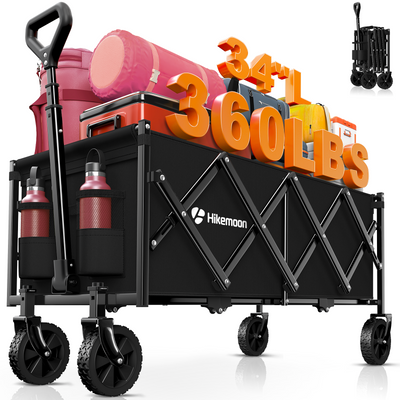
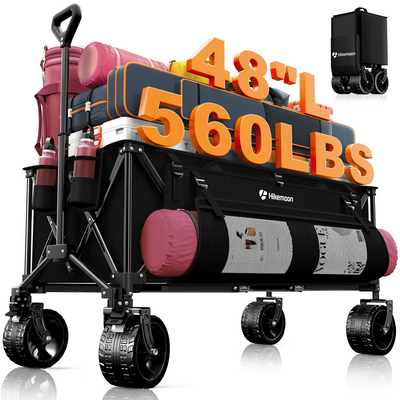
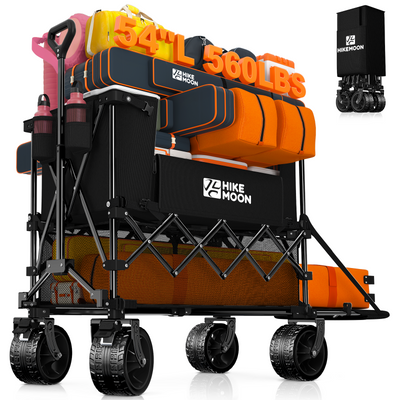
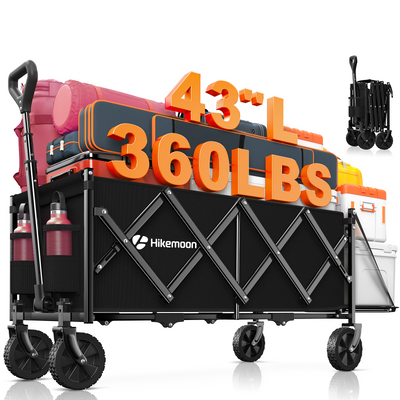
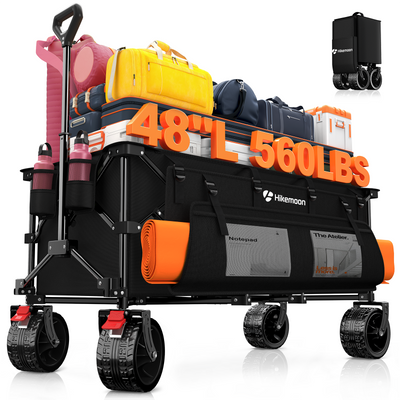

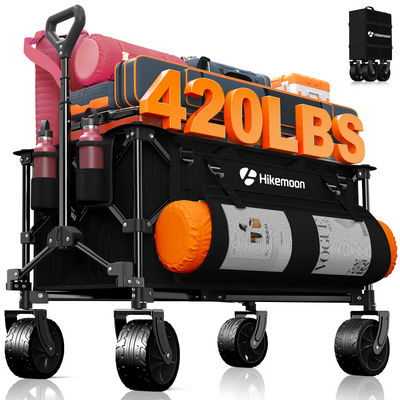

A folding wagon can usually travel by plane, but a full-size utility wagon will normally need to be checked rather than carried into the cabin. Its classification, folded size, weight, and the operating airline’s rules determine where it is checked and whether fees apply.
Can You Bring a Folding Wagon on a Plane?
Many airlines allow manual folding wagons to travel as checked baggage, but acceptance depends on the airline, route, wagon type, and packed dimensions. Utility wagons may be treated as regular bags, while some stroller wagons may qualify under an airline’s child equipment policy. Always check the official rules for the airline operating the flight before departure.
Is Your Wagon a Utility Wagon or a Stroller Wagon?

The wagon’s design and intended use can affect how the airline handles it. Product names alone do not determine whether it qualifies as regular baggage or child travel equipment.
How Airlines Usually Treat Utility Wagons
Utility folding wagons are designed to carry camping gear, beach supplies, sports equipment, groceries, or other cargo. They normally lack built-in child seating and safety restraints. Many airlines treat these wagons as regular checked baggage, although the exact classification and check-in process vary by carrier.
When a Wagon May Count as Child Travel Gear
Some airlines consider built-in child seating, safety restraints, collapsibility, and intended use when classifying a stroller wagon. Other carriers may treat wagons as checked baggage regardless of their design. Travelers should describe the specific model accurately and ask whether it qualifies under the airline’s stroller or child equipment policy.
Will Your Folding Wagon Be a Carry-On or Checked Item?
In practice, many full-size utility wagons remain too large for cabin storage after folding. Measure the packed wagon before deciding whether it could meet the airline’s carry-on requirements.
Carry-On Size Requirements
The folded wagon must fit within the airline’s carry-on limits and be stored safely under a seat or in an overhead compartment. Measurements should include the wheels, folded handle, frame, travel bag, and attached accessories. Large wheels or a tall folded frame can prevent an otherwise compact wagon from qualifying.
Checking It at the Ticket Counter
A utility wagon handled as regular baggage will usually be checked at the ticket counter. The airline may weigh and measure the packed item before attaching a baggage tag. Arrive early enough for an agent to inspect it, and keep the baggage receipt until the wagon has been returned.
Checking It at the Gate
Gate-checking may be available for strollers, qualifying stroller wagons, or folding wagons covered by a specific airline policy. A regular utility wagon should not be taken through security on the assumption that it will be accepted at the gate. Confirm eligibility before entering the security line.
Where to Pick It Up After a Direct Flight
A checked wagon may be returned near the aircraft door, at the regular baggage carousel, or in the oversized baggage area. The pickup point depends on the airline, airport, and way the wagon was checked. Ask the agent where it will be delivered before handing it over.
What Will It Cost to Check a Folding Wagon?
The cost depends on the wagon’s classification, packed size, weight, route, and the baggage allowance included with the ticket. Checking these details in advance can reduce the risk of unexpected charges at the airport.
Measure and Weigh the Wagon When Folded
Measure the wagon after it has been folded, secured, and placed inside its travel bag. Include all wheels, handles, straps, and protective materials. Weigh the complete package rather than relying only on the manufacturer’s listed product weight or cargo capacity.
Standard Checked Baggage Fees
A utility wagon classified as regular baggage may use one checked baggage allowance and be subject to the airline’s standard fee. The amount can depend on the fare, route, loyalty status, and when the bag is added. Review the operating airline’s current baggage fee page before leaving for the airport.
Oversize and Overweight Charges
Additional fees may apply when the packed wagon exceeds the airline’s standard size or weight limits. Some carriers may apply both oversize and overweight charges, while very large items may not be accepted. Check the airline’s maximum limits rather than assuming an extra fee will always guarantee acceptance.
When Child Travel Gear May Be Checked Free
Some airlines allow a stroller or qualifying folding wagon to be checked free when the traveler is accompanied by a child. Eligibility varies and may depend on product design, safety restraints, and the number of child items being checked. A cargo wagon should not be assumed to qualify simply because it carries family supplies.
Should You Bring Your Wagon or Rent One?
Cost is only one part of the decision. Baggage handling, transfers, storage space, damage risk, and the number of times the wagon will be used should also be considered.
When Bringing Your Own Wagon Makes Sense
Bringing your own wagon can make sense for a longer beach vacation, camping trip, or family stay where gear needs to be moved several times. A lighter, compact folding wagon is generally easier to lift, pack, and handle at the airport than a large-capacity model. A 120L collapsible wagon may be a practical choice when storage space and baggage weight are important, but the airline’s current size and baggage rules should still be confirmed before departure.

When Renting One May Be Easier
Renting may be more practical for a short trip, an itinerary with several connections, or a destination with convenient equipment rentals. It avoids packing work and checked baggage risks. Compare delivery charges, deposits, rental duration, and available models with the airline’s total round-trip fees.
Check Whether Your Destination Allows Wagons
Airline acceptance does not guarantee that the wagon can be used at the destination. Theme parks, festivals, stadiums, cruise terminals, and shuttle services may impose separate restrictions. If the wagon is mainly for road trips, airport transfers, hotels, or family travel, compare travel collapsible wagons before choosing a size to bring. Confirm that the folded wagon will also fit in the rental car, hotel transfer, or rideshare vehicle.
How to Pack a Folding Wagon for Air Travel
A checked wagon may pass through conveyor systems and several handling areas. Careful packing helps protect its exposed wheels, handle, frame joints, and removable accessories.
Empty and Clean the Wagon
Remove food, liquids, tools, valuables, and loose equipment before folding the wagon. Clean away sand, mud, grass, and moisture, especially after outdoor use. Allow the fabric and frame to dry completely before placing the wagon inside a travel bag.
Secure the Frame, Handle, and Wheels
Fold the wagon completely and engage its normal locking mechanism. Retract the handle and use soft straps to hold moving parts close to the frame. Remove the wheels only when the manufacturer permits it, and protect the axles and release mechanisms during packing.
Remove Loose Accessories
Detach exposed cup holders, tables, storage pouches, cargo nets, floor inserts, and other removable parts. Small plastic accessories can crack or become separated during baggage handling. Pack essential pieces in protected luggage when possible, and photograph everything included before check-in.
Use a Travel Bag and Contact Label
A durable travel bag keeps the folded wagon together and reduces exposed parts. Add your name, phone number, email address, and destination information both inside and outside the bag. Photograph the packed wagon and baggage tag before handing it to the airline.
What to Expect on Connecting Flights
Connections create additional handling points and may involve different operating airlines. Confirm how the wagon will move through the itinerary before the first flight.
Check Every Operating Airline’s Rules
The airline that sold the ticket may not operate every flight segment. Operating carriers can have different handling, size, or safety requirements for unusual baggage. Review the baggage terms shown on the booking and contact each operating airline when its published wagon policy is unclear.
Confirm Whether the Wagon Is Checked Through
Ask whether the wagon is tagged to the final destination or only to the connecting airport. Check the airport code printed on the baggage tag before leaving the counter. Separate tickets, airport changes, and some international arrivals may require the wagon to be collected and checked again.
Ask Whether You Can Collect It During the Connection
Some gate-checked child items may be returned during a connection, while regular checked wagons may continue to the final destination. Travelers who need the wagon inside the connecting airport should confirm the process and prepare another way to move children or supplies if it is unavailable.
What to Do If Your Wagon Is Damaged or Delayed
Inspect the wagon as soon as it is returned. Prompt reporting and clear documentation give the airline the information needed to investigate a baggage problem.
Inspect It Before Leaving the Airport
Open the travel bag and test the wagon near the baggage claim area. Check the frame, fabric, handle, wheels, brakes, and folding mechanism. Photograph bent parts, fresh damage, torn fabric, or missing accessories before leaving the airport.
Report the Problem Right Away
Report visible damage, missing parts, or a delayed wagon to the airline’s baggage service office before leaving the airport whenever possible. Request a written report or claim number. Follow the airline’s deadlines and instructions before arranging repairs or discarding damaged packaging.
Keep Your Photos, Receipt, and Baggage Tag
Save the purchase receipt, model details, boarding pass, baggage tag, and photos taken before and after the flight. The airline may request proof of ownership, value, or condition. For a delay, keep receipts for reasonable rental or replacement expenses until the claim is resolved.

Final Thoughts
A folding wagon can travel by plane, but most full-size utility wagons need to be checked instead of carried on. Before departure, confirm the airline’s size, weight, and baggage rules, pack the wagon securely, and check whether your destination allows wagon use. This helps reduce surprise fees, delays, and damage during travel.
FAQs
Can a wagon go through TSA?
A folding wagon may go through TSA screening only if it is allowed past the airline check-in process and can be screened safely. TSA screening does not guarantee that the airline will accept it as a gate-checked item or carry-on. For a regular utility wagon, confirm the airline’s policy before taking it through security.
Can you check a wagon instead of a stroller?
Yes, you can often check a wagon as baggage, but that does not mean it will receive the same treatment as a stroller. A stroller or qualifying stroller wagon may fall under child travel gear rules, while a utility wagon is usually handled as regular checked baggage. The safest approach is to ask the operating airline how your specific wagon will be classified.
Where are wagon strollers not allowed?
Wagon rules do not stop at the airport. Some theme parks, stadiums, festivals, cruise terminals, shuttle buses, and event venues restrict wagons or stroller wagons even if the airline accepted them. Check the destination’s rules before packing one for the trip.
More reading: How to Fold a Wagon Cart for Easy Storage