
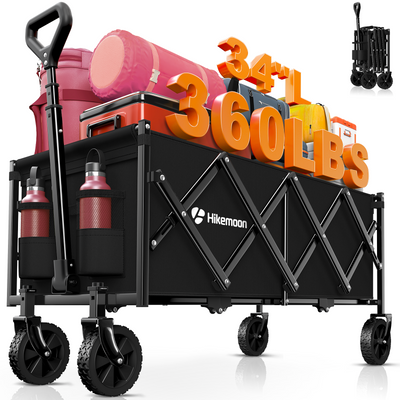
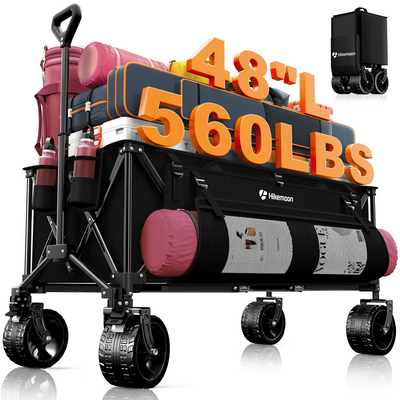
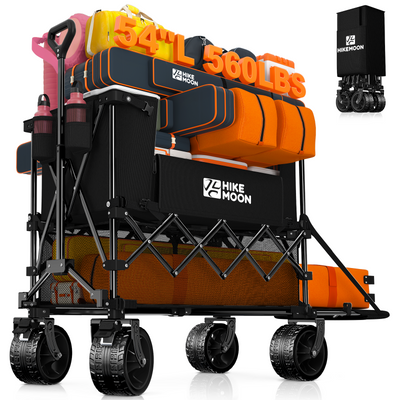
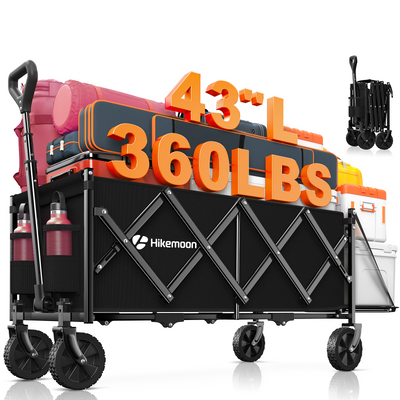
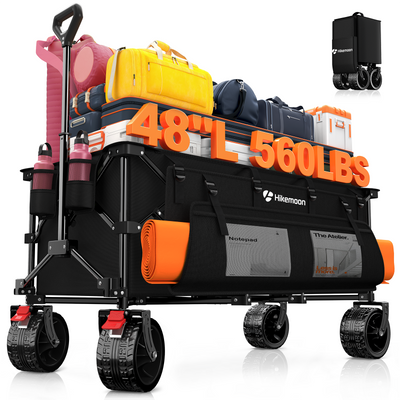

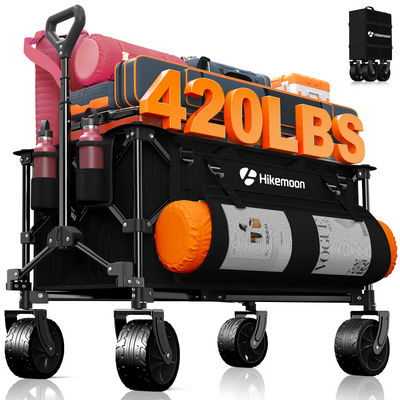

A folding wagon can be useful at a music festival, especially if you are camping, carrying bulky gear, or walking a long distance from parking to your campsite. But it is not always the right choice. Some festivals allow wagons in camping areas, while others ban carts, coolers, or large rolling items inside the main venue. Check the official rules before you pack one.
Check the Festival Rules Before You Pack One
Festival rules should come before any packing decision. A wagon may save time and effort, but it can also become a problem if the event does not allow it past security, on shuttles, or inside crowded venue areas.
Campground Rules vs Main Venue Rules
A festival may allow wagons in the campground but not inside the main venue. This is common because camping areas are used for moving tents, coolers, chairs, and sleeping gear, while the concert area has tighter crowd and safety controls. Before you go, check whether the rule applies to the campground, the festival grounds, or both.
Wagons, Carts, Coolers, and Strollers
Do not assume that a folding wagon is treated the same as a stroller, cooler, or small cart. Some events list wagons and carts separately in their prohibited items, while others only mention oversized bags or rolling coolers. If the rules are unclear, contact the festival or venue directly and describe the item as a collapsible wagon.
Shuttle, Parking, and Entry Restrictions
Even if the festival allows a wagon, parking and transportation rules can still matter. Some shuttles may not have space for large folded carts, and rideshare drop-off areas may leave you with a long walk. Check parking maps, camping check-in rules, shuttle policies, and entry restrictions before deciding whether a wagon will actually help.
When a Folding Wagon Makes Sense
A folding wagon is most useful when the trip involves heavy, bulky, or shared gear. It is less useful when you only need a small bag for one day inside a crowded venue.
Camping Festivals
Camping festivals are often the strongest reason to bring a wagon. Tents, sleeping bags, coolers, water, chairs, clothes, and weather gear can be difficult to carry by hand, especially after a long drive. A wagon can reduce multiple trips between the car and campsite and make setup less tiring.
If your festival trip includes a campsite setup, it helps to choose gear the same way you would choose a folding wagon for camping: by looking at terrain, cargo size, and how many trips you want to avoid.

Long Walks From Parking to Camp
A wagon becomes more valuable when parking is far from the campsite or entrance. Long walks across grass, gravel, dirt, or uneven ground can make heavy bags feel worse than expected. If the festival map shows remote parking or tent-only camping, a wagon may save a lot of energy.
Shared Gear for a Group
A group can benefit from one wagon when several people share the same tent, cooler, canopy if allowed, or food supplies. Instead of splitting awkward items across multiple backpacks, the group can load larger gear together and carry personal items separately. This works best when everyone avoids overpacking and agrees on what belongs in the wagon.
What You Can Carry in a Festival Wagon
A festival wagon is best for bulky items that are allowed by the event and difficult to carry by hand. It should not be used as a way to bring restricted items past security.
Tents, Sleeping Bags, and Camp Gear
A wagon can carry tents, sleeping bags, sleeping pads, tarps, lanterns, and other campsite basics. Long items should be tied down so they do not slide out while walking. Keep heavier gear low in the wagon and avoid stacking soft items so high that they block your view.
Coolers, Water, and Food Supplies
Coolers, water jugs, and food bins are common reasons people want a festival wagon. These items can be heavy, so check both the festival’s food and drink rules and the wagon’s weight capacity. Pack drinks and food securely, and remember that glass, alcohol, or oversized coolers may be restricted depending on the event. If a cooler is one of the heaviest items in your setup, planning how to carry a cooler more easily can help you avoid overloading the wagon or making too many trips.
Chairs, Blankets, and Weather Gear
Folding chairs, blankets, rain ponchos, boots, jackets, and shade items can fit well in a wagon. Weather gear is especially useful at outdoor festivals where conditions change quickly. Keep rain protection near the top so you can reach it without unpacking everything.
What Type of Wagon Works Best for Festival Grounds
The best festival wagon is not always the largest one. Ground conditions, wheel design, folded size, and handling matter more than capacity alone. For camping festivals or long walks from parking areas, an outdoor folding wagon can help reduce the number of trips needed to move tents, chairs, coolers, and other bulky gear. Focus on wheel type, folded size, and load capacity rather than choosing by volume alone.
Wheels for Grass, Gravel, and Mud
Music festival grounds may include grass fields, gravel paths, dirt lots, muddy areas, and paved walkways. Wide wheels or all-terrain wheels usually handle soft or uneven surfaces better than narrow plastic wheels.
For this kind of mixed outdoor ground, the 220L Utility Foldable Collapsible Wagon Cart with Big All-Terrain Wheels is a practical option to consider because it offers 220L capacity, 7" × 4" all-terrain wheels, and a folded size of 9.06" L × 12.20" W × 24.00" H.

Capacity Without Overpacking
A large wagon can carry more, but overpacking makes it harder to pull, turn, and control. Heavy loads can also increase the risk of tipping on slopes or uneven ground. Choose enough capacity for the gear you truly need, but leave room to keep the load low and stable.
Folded Size for Car Storage
A wagon still needs to fit in your car with the rest of your festival gear. Before the trip, check the folded dimensions and test how it fits with coolers, bags, tents, and passengers. Before the trip, check the folded dimensions and make sure the wagon can fit in your car with coolers, tents, bags, and passengers already loaded.
When a Backpack or Duffel Bag Is Better
A wagon is not always the easiest option. For some festivals, a smaller bag is faster, simpler, and less likely to cause problems at entry.
One-Day Festivals
For a one-day music festival, a backpack, clear bag, hydration pack, or small crossbody bag may be enough. You may only need sunscreen, a water bottle, phone charger, ID, wallet, light jacket, and a few approved snacks. Bringing a wagon for a short visit can add more hassle than value.
Crowded Main Stage Areas
Wagons are not ideal in dense crowds. They take up ground space, can block walkways, and may be difficult to move near stages, food lines, or restrooms. Even when a wagon is useful at camp, it may be better to leave it there before entering the main performance area.
Strict Bag or Cart Policies
Some festivals have strict rules for bags, carts, coolers, and rolling items. If the event bans wagons or does not clearly allow them, use a smaller approved bag instead. A duffel bag may also be easier for clothing and soft items when the walk is short and the ground is smooth.
How to Use a Wagon Without Creating Problems
A wagon helps only when it is packed and used correctly. Poor loading can make it unstable, hard to pull, or inconvenient for people around you.
Pack Heavy Items Low
Place coolers, water, food bins, and other heavy items at the bottom of the wagon. Keeping weight low improves balance and reduces the chance of tipping. Avoid stacking tall loads that shift while turning or walking over bumps.
Tie Down Long or Loose Gear
Tent poles, folding chairs, tarps, and loose bags should be secured with straps or bungee cords. Long items can slide out when the wagon turns or crosses rough ground. A simple tie-down setup can prevent dropped gear and make the wagon easier to control.
Keep Valuables With You
Do not leave phones, wallets, IDs, car keys, cameras, or expensive electronics in the wagon. Festivals are busy, and a wagon may be left near a tent, car, or shared campsite. Keep valuables in a small personal bag that stays with you at all times.
Conclusion
A folding wagon is worth bringing to a music festival when you are camping, carrying shared gear, or walking a long distance across outdoor ground. It is less useful for one-day events, crowded main venue areas, or festivals with strict cart policies. The safest approach is simple: check the official rules first, match the wagon to the terrain, avoid overpacking, and use a smaller bag for valuables and daily essentials.
FAQs
What snacks should you bring to a music festival?
Choose snacks that are light, sealed, and easy to eat without preparation, such as granola bars, trail mix, dried fruit, crackers, or jerky. Avoid anything that melts quickly, leaks, or needs refrigeration unless you are camping and the festival allows coolers. Always check the event’s food policy before packing snacks.
What should you take to a music festival with kids?
Bring hearing protection, sunscreen, refillable water bottles, snacks, wipes, extra clothes, a light blanket, and weather protection. A wagon can help move family supplies in camping or parking areas, but it should not be used as a child carrier unless it is designed and allowed for that purpose. Check the festival’s family and stroller rules before arrival.
How do you survive a 3-day music festival?
Plan for hydration, sleep, sun protection, weather changes, and simple meals. Pack campsite gear by category so you can find things quickly, and avoid bringing more than your group can carry or manage. A wagon can help with setup and teardown, but pacing yourself matters more than packing every possible item.
How much money should you bring to a music festival?
The amount depends on food prices, drinks, merchandise, parking, lockers, rideshare costs, and emergency needs. Bring a payment card if the event is cashless, but keep a small backup amount if the venue allows cash. Check the festival app or website for vendor, parking, and payment details before you go.