
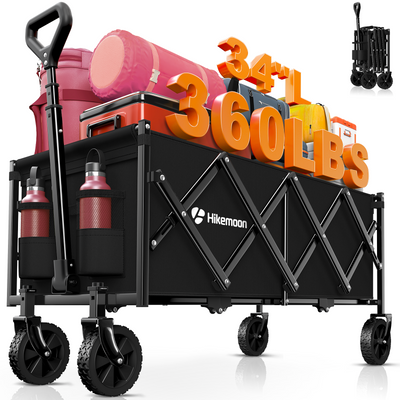
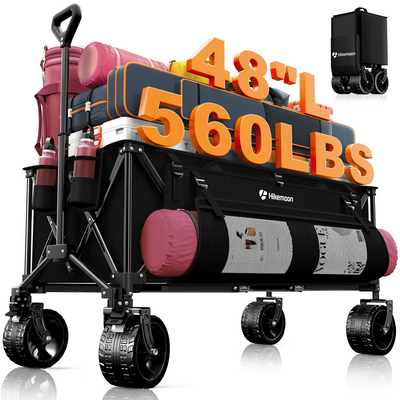
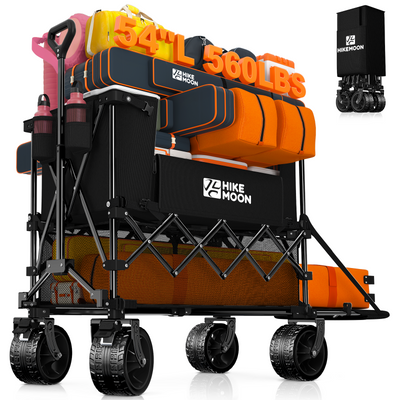
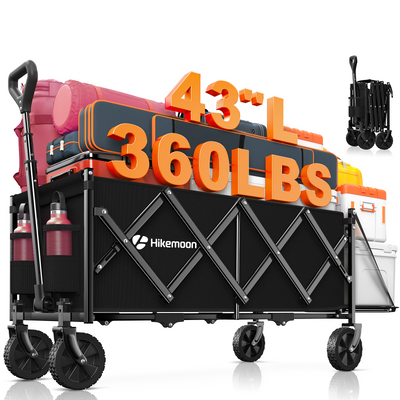
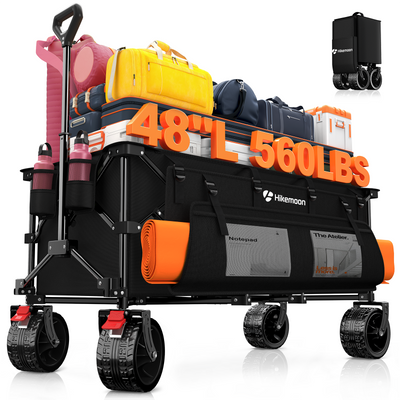

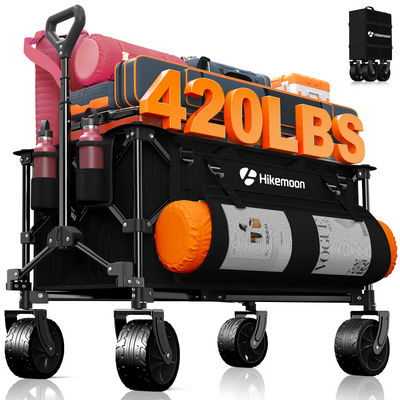

A fishing wagon can save you from carrying a cooler, tackle box, bait bucket, rods, chairs, and wet gear by hand. The right one depends on where you fish and what you usually bring. Before buying, check the wagon’s fit, wheels, cleaning needs, and storage size so it matches your real fishing trips.
Is a Fishing Wagon Right for Your Trip?
A fishing wagon is useful when your gear is too bulky for one easy carry. It is not always the same as a dedicated fishing cart, so start by thinking about the type of trip you take most often.
When a folding wagon works well
A folding wagon works well for casual fishing trips, pier fishing, lake visits, park paths, and short walks from the parking lot. It can carry a cooler, tackle box, bait bucket, folding chair, towels, and small bags without needing a fishing-only setup. If you want one wagon mainly for fishing but still useful for other outdoor days, fishing collapsible wagons are a practical place to compare sizes and styles.
When a dedicated fishing cart may be better
A dedicated fishing cart may be better if you often cross soft sand, carry several rods, bring a large cooler, or walk a long distance with heavy gear. Many fishing carts are built with rod holders, larger wheels, and frames designed for saltwater or surf fishing. For simple mixed-use trips, a folding wagon is often enough. For gear-heavy fishing, a fishing cart may be easier to manage.
Start With the Gear You Need to Carry
Before comparing wagon specs, list what you bring most often. Fishing gear is not only heavy; it can also be long, wet, unstable, or awkward to stack.
Cooler, tackle box, and bait bucket
The cooler should sit flat on the bottom because it is usually the heaviest item. A tackle box needs enough room so it does not slide or pop open, while a bait bucket should stay upright if it holds water. If these three items do not fit securely together, the wagon may be the wrong shape even if the listed weight capacity looks fine.
Fishing rods, chairs, and long gear
Rods, folding chairs, nets, and umbrellas are harder to pack because they can stick out past the frame. A longer cargo area helps, but you still need a safe way to keep long gear from sliding, bending, or catching on branches and railings. For anglers who often bring chairs or longer gear, the Collapsible Wagon Cart with Extended Tailgate is a better fit than a standard short-bed wagon because the extended rear gate gives oversized items more room to sit securely.

Wet items, towels, and extra bags
Fishing trips often end with wet towels, muddy shoes, damp clothes, or bags that smell like bait. Keep these items away from dry clothes, snacks, phones, and clean tackle. A separate waterproof bag or washable tote makes packing cleaner and makes the wagon easier to rinse after the trip.
Match the Wheels to Your Fishing Spot
Wheel choice should match the ground you cross most often. A wagon that rolls well on a dock may struggle on sand, mud, or loose gravel.
Pier, dock, and paved paths
For piers, docks, sidewalks, and paved park paths, standard wagon wheels are usually enough. The surface is firm, so smooth rolling and stable tracking matter more than oversized traction. Look for wheels that do not wobble when the wagon is loaded.
Grass, gravel, and lake trails
Grass, gravel, and lake trails need stronger wheels with better grip. Small hard wheels can bounce or get stuck in loose ground, especially with a cooler inside. Wider wheels usually feel more stable and are a better fit for lake parks, campsites, and uneven access paths.
Sand, mud, and soft ground
Soft sand and mud are the hardest surfaces for a folding wagon. Narrow wheels sink, and a heavy load makes pulling harder. If you fish on soft beaches or muddy riverbanks often, choose wide wheels and avoid overpacking. For deep sand, a dedicated fishing cart may still be the better option.
Check Capacity and Fit Before Buying
Capacity matters, but it should not be the only number you check. For fishing, the shape of the cargo area is just as important as the total weight rating.

Do not judge by weight capacity alone
Weight capacity tells you how much the wagon may support, but it does not show how well your gear will sit inside. A tall bait bucket, long rods, and a boxy cooler can create balance problems even when the load is under the limit. A practical layout is more useful than a large number on the product page.
Make sure the cargo area fits your gear
Check the inside dimensions before buying. The cooler should sit flat, the tackle box should stay reachable, and the bait bucket should not tip during turns. If you bring chairs or rods, make sure they do not block the handle or drag on the ground.
Check the folded size before buying
A fishing wagon also needs to fit in your car, garage, apartment, or storage space. This matters if you drive a sedan, small SUV, or hatchback. A larger wagon may carry more gear, but it becomes less useful if it is hard to load or store after every trip.
Look for Fishing-Friendly Features
Fishing adds water, mud, odor, and awkward gear to the usual wagon load. The best features are the ones that make the wagon easier to pull, clean, and organize.
Easy-clean fabric and a strong bottom
Easy-clean fabric is important because bait, mud, water, and fish smell can stay in the wagon after a trip. A wipeable or removable liner helps, and a strong bottom keeps the cooler and bucket level. If the floor sags too much, gear can slide inward and become harder to manage.
A handle that feels stable when loaded
A loaded fishing wagon can feel very different from an empty one. The handle should feel stable when pulling a cooler, tackle box, and bucket together. A shaky or short handle can make the wagon harder to control on ramps, gravel, or wet paths.
Rod holders and add-ons to consider
Built-in rod holders are helpful if you carry several rods, but they are not required for every trip. Some anglers may get more value from a cargo net, waterproof bag, removable organizer, or clip-on storage. The goal is to keep gear from shifting every time the wagon hits a bump.
How to Pack a Fishing Wagon
Good packing makes the wagon easier to pull and helps protect fragile gear. Keep the load low, balanced, and separated by use.
Keep heavy items low
Place the cooler, water, and large tackle box at the bottom. Heavy items should sit near the center so the wagon does not tip when turning. Avoid stacking loose items on top of the cooler unless they are secured.
Protect rods and long gear
Rods should not be thrown loosely across the top of the wagon. They can bend, slide out, or catch on branches, railings, and car doors. Use a rod tube when possible, or place rods along one side and secure them lightly.
Separate wet gear from dry gear
Wet towels, bait items, muddy shoes, and fish bags should stay away from phones, snacks, dry clothes, and clean tackle. This keeps the wagon cleaner and reduces odor. It also makes unpacking easier when you get home.
Quick Buying Checklist
Before buying a fishing wagon, use these points to narrow your choice:
-
Gear fit: Cooler sits flat, tackle box stays reachable, and bait bucket has enough room to stay upright.
-
Wheel type: Standard wheels for piers and paved paths; wider wheels for grass, gravel, sand, or muddy ground.
-
Bottom support: A firm wagon bed helps keep heavy coolers and tackle boxes level.
-
Cleaning: Easy-clean fabric is better for wet towels, bait smell, mud, and fish residue.
-
Long gear storage: Rods, chairs, nets, and umbrellas need enough length or a secure way to stay in place.
-
Handle stability: A stable handle makes the wagon easier to control when loaded.
-
Folded size: The wagon should fit your car, garage, apartment, or storage area.
-
Trip flexibility: A mixed-use wagon should also work for camping, beach days, or other outdoor trips.

Conclusion
A fishing wagon is worth considering if you want an easier way to move coolers, tackle, rods, chairs, and wet gear from the car to the water. The best choice is not always the largest model. It is the one that fits your gear, rolls well at your fishing spot, cleans easily, and folds down to a size you can actually bring. For more outdoor wagon options, HIKEMOON offers folding wagon designs for fishing, camping, beach days, and everyday outdoor use.
FAQs
Should I put fish directly inside a wagon?
No. Put fish in a cooler, fish bag, or sealed container instead. This keeps the wagon cleaner and helps reduce smell, stains, and leakage.
Do I need a wagon with built-in rod holders?
Not always. Built-in rod holders are helpful if you carry several rods, but casual anglers can often use a rod tube or secure rods along one side of the wagon.
Is a fishing wagon useful for pier fishing?
Yes. A fishing wagon can be very useful for pier fishing because the ground is usually firm and flat. It helps carry a cooler, tackle box, chair, and bait without making several trips.
How do I stop a fishing wagon from smelling after use?
Remove wet gear right away, rinse dirty areas, wipe the fabric, and let the wagon dry fully before folding it. Keep bait, fish, and wet towels in separate bags during the trip.
Can I use the same wagon for camping or beach trips?
Yes, if the wheels, size, and fabric suit those trips too. A general outdoor wagon can work across fishing, camping, and beach use, but soft sand or very heavy gear may need a more specialized cart.
More reading: Beach Wagon vs All-Terrain Wagon: Which One Should You Choose