
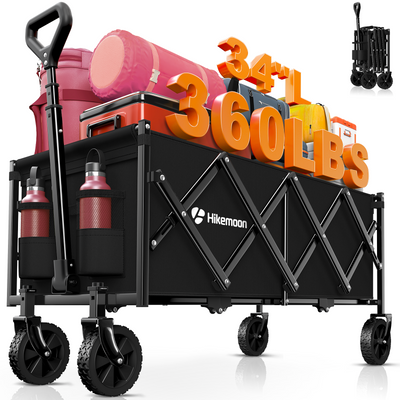
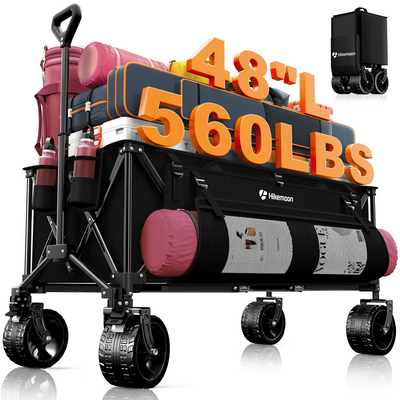
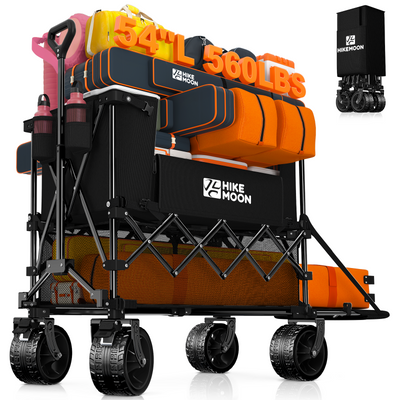
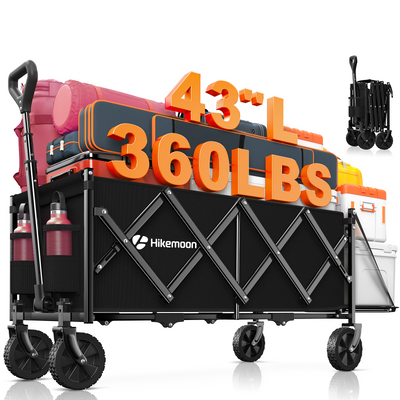
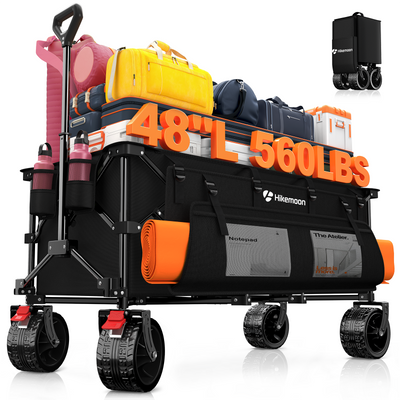

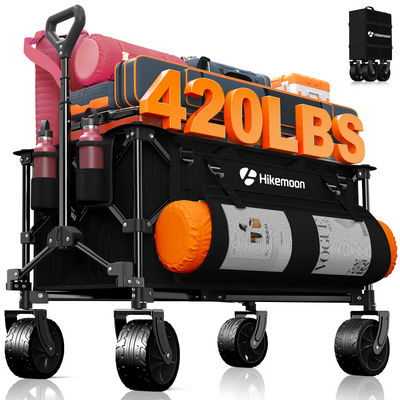

A folding wagon can make apartment life easier when groceries, packages, laundry, and storage bins need to move through parking lots, elevators, hallways, or shared building spaces. The best choice should be compact enough to store indoors, narrow enough to maneuver, and sturdy enough for regular errands without feeling oversized.
Why Apartment Residents Use Folding Wagons
Apartment errands often involve more distance than people expect. Getting from the car to the kitchen may mean crossing a parking garage, lobby, elevator, hallway, and several doors. Package pickup, laundry rooms, recycling areas, and storage spaces can also be farther away than a front porch or garage would be in a house.
A folding wagon helps reduce repeated trips and makes bulky loads easier to manage. Instead of balancing bags on both arms or carrying one heavy item at a time, you can place everything in one cart and pull it along your usual route. For apartment residents, the main value is not just capacity. It is making everyday carrying less tiring and more organized.
Apartment Tasks a Folding Wagon Can Help With
A folding wagon is most useful when an apartment task involves distance, weight, or awkward items. It can help residents who park far from their unit, live in large apartment complexes, use shared laundry rooms, or often pick up packages from a central mailroom.
Carrying Groceries From Parking to Your Door
Groceries are one of the most common reasons apartment residents use a folding wagon. A weekly grocery run may include produce, pantry items, drink packs, paper goods, frozen foods, and household supplies. Carrying everything by hand from the car can be uncomfortable, especially when the route includes elevators or long corridors. A wagon lets you move more bags in one trip while keeping heavier items low and easier to control. For residents who mainly need help with grocery runs, mailroom pickups, and everyday errands, shopping collapsible wagons are a practical place to compare options before choosing a size.

Moving Packages From the Mailroom
Many apartment buildings use package rooms, lockers, or front-desk pickup areas. Small parcels are easy to carry, but larger boxes, pet supplies, home goods, and bulk deliveries can be difficult to move without dragging or lifting. A folding wagon gives you a stable place to load boxes and move them through shared spaces without damaging floors or struggling with awkward shapes.
Taking Laundry to a Shared Laundry Room
Laundry can be awkward because baskets, detergent, towels, and bedding take up space quickly. A folding wagon can help move laundry from your unit to a shared laundry room, basement, or nearby laundromat. It is especially useful when you need to carry more than one load or bring detergent, hangers, and other supplies at the same time.
Handling Trash, Recycling, and Storage Bins
A folding wagon can also help with recycling, donation bags, seasonal items, and storage bins. Apartment residents often need to move these items to another part of the building rather than just outside the door. A wagon can reduce the number of trips, but it should be easy to wipe clean if it is used for trash, cardboard, or outdoor storage items.
What Size Folding Wagon Works Best for Apartment Living
The best size depends on what you carry and where you store the wagon afterward. Bigger is not always better indoors. A large wagon may hold more, but it can be harder to turn in tight spaces, fit into small elevators, or store inside a compact apartment.
Compact Models for Small Apartments
Compact folding wagons are easier to store in closets, entryway corners, utility spaces, or behind doors. They are a good fit for studio apartments, small units, and residents who mostly carry groceries, small packages, laundry baskets, or everyday supplies. The trade-off is capacity. A compact model may not be ideal for bulk shopping trips, oversized boxes, or large storage bins.
Medium Capacity for Groceries, Laundry, and Packages
A medium-capacity wagon is often the most practical choice for apartment use. It gives you more room than a small cart but still feels manageable in elevators, hallways, and shared entrances. This size can usually handle grocery bags, laundry, mailroom packages, cleaning supplies, and light storage items without becoming too bulky for regular use. For apartment residents who need more space for weekly errands, the 220L Utility Foldable Collapsible Wagon Cart with Big All-Terrain Wheels is a relevant option because it offers 220L capacity, a 37.40" L × 24.21" W × 24.00" H open size, and a compact 9.06" L × 12.20" W × 24.00" H folded size. Its listed specs include 25.13 lbs weight, 7" × 4" all-terrain wheels, 360° front rotation with brakes, an adjustable rebound handle up to 42.52", static load capacity up to 460 lbs, dynamic load capacity up to 330 lbs, plus a side pocket, two mesh cup holders, a storage cover, and a strap.
Why Oversized Wagons Can Be Hard to Manage Indoors
Oversized wagons are useful for outdoor trips and large loads, but they can be frustrating in apartment buildings. A very large wagon may be too wide for tight turns, harder to lift into a trunk, and awkward to store after use. If most of your tasks are light to medium errands, a smaller or mid-size wagon may be easier to use every week.
What to Check Before Buying One for an Apartment
Before buying a folding wagon, think about your full route: car to elevator, package room to apartment, laundry room to unit, or storage area to door. The wagon needs to fit your building layout as much as it fits your belongings.
Folded Size for Closets and Entryways
Folded size matters more in an apartment than in a garage or large storage room. A wagon may look convenient when open, but it still needs a practical place to stay when not in use. Check whether it can fit in a coat closet, entryway corner, utility room, balcony storage area, or car trunk. If storage space is limited, folded dimensions may matter more than maximum capacity.For residents who keep their wagon in the car between errands, whether a collapsible folding wagon will fit in a hatchback also depends on trunk shape, wheel position, handle placement, and folded height.
Wagon Width for Elevators and Hallways
Apartment buildings often have narrow hallways, elevator doors, tight corners, and shared entryways. Before choosing a wagon, check its open width and compare it with the spaces you use most often. A narrower wagon may carry slightly less, but it can be easier to maneuver in crowded elevators or tight corridors.
Wheel Design for Sidewalks, Garages, and Indoor Floors
Apartment wagons often move across several surfaces in one trip, including sidewalks, parking garages, lobby floors, elevators, carpeted hallways, and indoor flooring. The wheels should roll smoothly without feeling unstable or too noisy. Small hard wheels may work on smooth floors but can struggle on cracked pavement or garage surfaces. Larger wheels may handle outdoor paths better, but they should still be easy to control indoors.
Weight Capacity Without Overloading
Weight capacity is important, but it should not be the only buying factor. A wagon that can technically hold a heavy load may still be difficult to pull, steer, or store if overloaded. For groceries, laundry, and packages, balanced loading is usually more useful than pushing the wagon to its limit. Place heavier items at the bottom and avoid stacking boxes so high that they block your view.

When a Folding Wagon May Not Be the Best Choice
A folding wagon is helpful for many apartment tasks, but it is not always the easiest option. In some buildings or situations, a tote, backpack, stair-climbing cart, or smaller hand truck may work better.
Buildings With Too Many Stairs
If your route includes several stairs and no elevator, a folding wagon may become inconvenient. Carrying a loaded wagon up stairs can be difficult and unsafe. For walk-up apartments, a lighter bag, backpack, stair-friendly cart, or smaller load may be more practical.
Very Narrow Hallways or Small Elevators
Some older buildings have tight corridors, small elevators, or narrow doorways. A wagon that works well outdoors may feel difficult to turn inside. Before buying, consider your building layout carefully. If you often need to make sharp turns or pass through tight spaces, choose a compact model instead of a large-capacity one.
Light Errands That Only Need a Tote or Backpack
A folding wagon is not necessary for every small task. If you are picking up one package, carrying a few groceries, or making a quick trip downstairs, a tote bag or backpack may be faster. A wagon is most useful when the load is heavy, bulky, or far enough away that carrying by hand becomes inconvenient.
How to Store a Folding Wagon in a Small Apartment
Storage should be part of the buying decision. A wagon that is easy to store will get used more often, while one that blocks a hallway or closet may become annoying over time.
Closet, Entryway, or Behind-the-Door Storage
Choose a storage spot before buying. Good options include a coat closet, entryway corner, laundry area, utility closet, garage space, or behind a door if the folded size allows it. The wagon should be easy to reach but not in the way. If you have to move several things just to access it, you may use it less often.Daily apartment storage is easier when you know how to fold a wagon cart properly, secure the frame, clean the wheels, and put it away without blocking the entryway.
Keeping Wheels Clean Before Bringing It Inside
Apartment wagons often move from outdoor pavement or garages into indoor living spaces. Wiping the wheels before storage can help keep dirt, sand, salt, and moisture off your floors. A small mat near the door can also help if the wagon is stored close to your entryway.
Avoiding Odor, Dirt, and Moisture Buildup
If the wagon is used for groceries, laundry, recycling, or outdoor items, clean it regularly. Empty it after use, remove crumbs or dirt, and let damp fabric or wheels dry before folding it away. This helps prevent odor, mildew, and buildup in small spaces with limited airflow.
Apartment Folding Wagon Checklist
Before choosing a folding wagon for apartment living, check:
-
Folded size for closet, entryway, or trunk storage
-
Open width for hallways, elevators, and doorways
-
Wheel design for sidewalks, garages, and indoor floors
-
Capacity for groceries, laundry, packages, and storage bins
-
Empty weight if you need to lift or carry it
-
Handle comfort and steering control when loaded
-
Easy-clean fabric and wheels
-
Practical size for your actual apartment route
Conclusion
A folding wagon can be a practical tool for apartment residents who regularly move groceries, packages, laundry, recycling, or storage items through shared spaces. The best option is not always the largest one, but the wagon that fits your building layout, storage space, wheel needs, and usual load size without becoming another bulky item to manage.
FAQs
How much weight can a foldable wagon hold?
A foldable wagon’s weight capacity depends on the model, frame, fabric, and wheel design. For apartment use, it is better to choose a wagon that can handle groceries, laundry, and packages comfortably without pushing the listed capacity to the limit.
How do you maintain a foldable wagon?
Empty the wagon after use, wipe down the fabric, and clean the wheels before bringing it indoors. Let any damp parts dry before folding and storing it, especially if the wagon has been used for laundry, groceries, recycling, or outdoor errands.
What is the lifespan of a foldable wagon?
The lifespan of a foldable wagon depends on frame quality, fabric strength, wheel durability, storage habits, and how often it is overloaded. A wagon used on smoother apartment routes and stored dry will usually last longer than one used heavily on rough outdoor surfaces.
What is the difference between a cart and a wagon?
A cart is often smaller and may be designed for simple upright carrying, while a wagon usually has a wider cargo bed for bulkier items. For apartment living, a folding wagon is useful when you need to move groceries, packages, laundry, or storage bins in one trip.