


A senior dog may still enjoy parks and family outings even when long walks become difficult. A folding wagon can provide supervised rest or carry pet supplies, but choosing one requires more than checking capacity. Consider your dog’s mobility, behavior, comfort, and the wagon’s intended use.
When Can a Folding Wagon Help a Senior Dog?

A folding wagon may be helpful during longer park visits, picnics, outdoor events, or family trips where a senior dog can alternate between short walks and rest. It can also carry water, bowls, medication, towels, and other supplies that would otherwise need to be carried by hand. However, a wagon should support a comfortable outing rather than encourage a dog to stay active beyond its limits. Pay attention to changes in pace, posture, breathing, and willingness to continue.
Start With Your Senior Dog’s Needs
Before comparing wagon sizes and wheel designs, consider what your dog can comfortably do. Age alone does not determine whether a wagon is suitable. Body size, joint mobility, balance, temperament, and the ability to remain settled while moving all affect the decision.
Check Mobility and Entry Needs
Consider whether your dog can step into the wagon without jumping or twisting. Tall sidewalls may make entry difficult for dogs with stiff joints, weak rear legs, or reduced balance. When a dog cannot enter comfortably, it may need to be lifted with proper support or use a secured, non-slip pet ramp. Avoid relying on a removable wagon panel or tailgate as an entry ramp unless the manufacturer specifically designed it for that purpose.
Consider Your Dog’s Behavior
A calm dog that can sit or lie down while the wagon moves is more likely to adjust than one that frequently changes position, reacts strongly to noise, or tries to jump out. Dogs that become anxious in confined spaces may not enjoy riding, even when the wagon is large enough. Observe your dog in a stationary wagon before deciding whether it is a practical option for longer outings.
What to Look for in a Folding Wagon for Dogs
Load capacity is only one part of the decision. A suitable folding wagon for dogs should provide usable interior space, a supportive floor, predictable movement, and practical handling for the owner.
Enough Room to Sit and Lie Down
Measure your dog while it is sitting and lying in a relaxed position, then compare those measurements with the wagon’s internal length and width. There should be enough room for the dog to turn and settle naturally after a mat has been added. Avoid choosing the largest wagon automatically, because too much open space may allow the dog to slide during turns or sudden stops.
A Low and Stable Floor
A firm, level base supports the dog more evenly than a floor that bends deeply under its weight. The wagon should remain stable when the dog changes position and should not lean noticeably to one side. Entry height also matters, especially for senior dogs with limited mobility, so compare the height of the sidewall or opening with what your dog can safely step over.
Smooth Wheels and Reliable Brakes
Larger, wider wheels may roll more easily across grass, packed dirt, and uneven pavement, although performance also depends on the wheel material, tread, load, and ground conditions. Steering should feel predictable rather than loose or jerky. Brakes are useful while the dog enters, exits, or rests in a parked wagon, but they should be tested without the dog before the first outing.
A Manageable Weight and Folded Size
The wagon also needs to be practical for the person using it. Check whether you can lift it into a vehicle, move it over a curb, and store it at home without difficulty. Compare the folded dimensions with your trunk or storage area, and remember that a larger-capacity wagon may be heavier and less convenient to transport even when it provides more interior room.
How to Make the Wagon Safe and Comfortable

Once you have chosen an appropriate design, keep the interior simple and stable. The goal is to give your dog a secure resting area without loose equipment, excessive padding, or uneven weight affecting the wagon’s movement.
Add a Non-Slip Mat and Light Padding
Place a fitted non-slip mat on the floor to help your dog maintain its footing when the wagon starts, stops, or turns. A thin washable pad or blanket can add comfort, but it should lie flat and stay in place. Avoid thick bedding that bunches around the paws, reduces usable space, or raises the dog too close to the top of the sidewalls.
Keep the Load Low and Balanced
Place water containers, food, and other heavy items low and close to the center of the wagon. Spread the weight evenly instead of putting all supplies on one side and the dog on the other. Uneven loading can make steering less predictable and increase the chance of the wagon leaning during a turn.
Separate Supplies From the Resting Area
Keep hard, sharp, or rolling objects away from the space where the dog sits or lies. Bottles, bowls, and containers should be secured so they cannot shift toward the dog when the wagon changes direction. Side pockets or separate storage sections can help keep smaller supplies organized without reducing the dog’s resting area.
Help Your Dog Get Used to the Wagon
Introduce the wagon gradually rather than placing your dog inside and immediately starting a long trip. Begin with the wagon parked on level ground and allow your dog to inspect it at its own pace. A familiar blanket and small rewards may help create a positive association. Once the dog can remain relaxed inside, move the wagon slowly for a short distance and increase the trip length only when the dog stays comfortable. Stop if it repeatedly tries to leave, refuses to settle, or shows clear signs of stress.
Choose Safe Routes and Weather
Begin on smooth, level routes with enough space to turn and stop. Avoid stairs, steep slopes, deep sand, large potholes, loose gravel, and crowded paths where sudden changes in direction may be required. Warm weather also needs caution because riding in a wagon does not remove the risk of overheating. Choose cooler times of day, provide water and shade breaks, and stop immediately if your dog shows unusual weakness, persistent heavy panting, loss of balance, collapse, or difficulty breathing.
Should You Choose a Wagon or a Dog Stroller?
A folding wagon usually provides more open storage space and may suit outings where you need to carry gear as well as pet supplies. A purpose-built dog stroller focuses more directly on animal transport and may include a low entrance, mesh enclosure, internal tether, or padded pet compartment. A calm senior dog that needs occasional supervised rest may adapt to a suitable wagon, while a dog that tries to jump out, becomes anxious while moving, or needs stronger containment may be better served by a pet stroller.
When a Folding Wagon Is Not a Good Fit
Do not place a dog in a wagon intended only for cargo unless the manufacturer confirms that use. A wagon is also a poor choice if the base is unstable, the sidewalls are too low, the dog cannot enter safely, or it remains distressed inside. Avoid routes and weather conditions that make control or heat exposure a concern. Stop immediately if the dog shows unusual weakness, persistent heavy panting, loss of balance, collapse, or difficulty breathing. Severe or rapidly worsening symptoms require prompt veterinary attention.
Using a Folding Wagon to Carry Pet Supplies
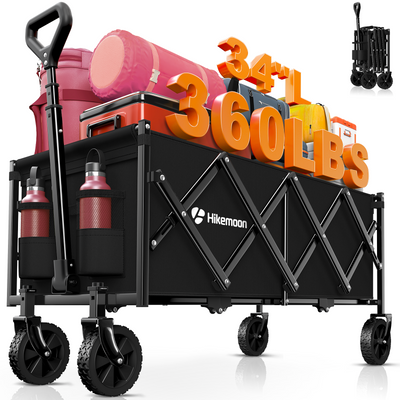
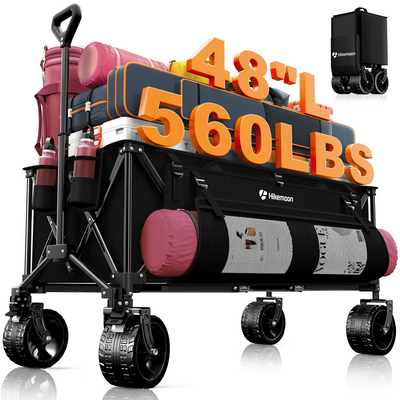
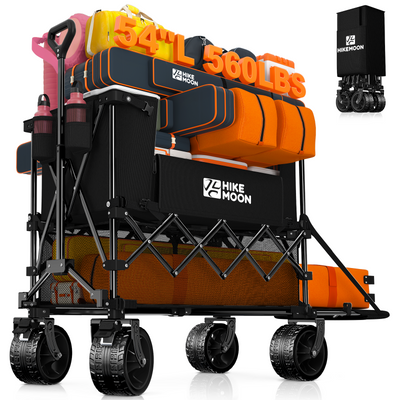
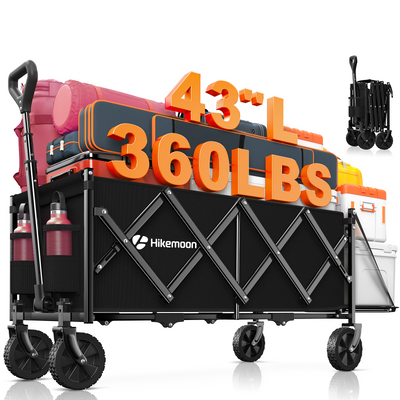
A folding wagon can still make pet outings easier even when it is used only for gear. Owners can compare different outdoor wagons for carrying water, bowls, blankets, towels, toys, and cleanup supplies during park visits, camping trips, or outdoor events.
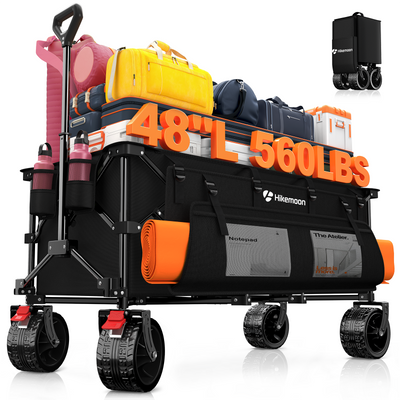
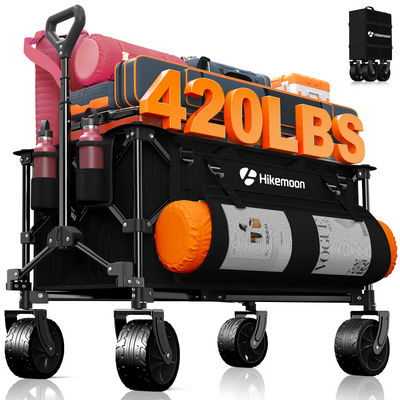
For those who need more storage space, a 220L utility foldable wagon with wide all-terrain wheels, rotating front wheels with brakes, and extra storage can help keep pet supplies organized. Since utility wagons are not always designed as pet carriers, check the product’s intended use before allowing a dog to ride.

FAQs
Can Small Dogs Ride in a Folding Wagon?
Some small dogs may be comfortable in a folding wagon if the manufacturer allows that use and the interior provides a stable, non-slip surface. Check that the sidewalls suit the dog’s height, introduce the wagon gradually, and supervise every ride.
Can Two Dogs Share One Folding Wagon?
Two dogs should share a wagon only when both can sit or lie down without crowding and their combined weight remains within the stated limit. Their behavior also matters, because frequent movement or competition for space can affect balance and make the ride stressful.
Does a Folding Wagon Need a Canopy for a Dog?
A canopy can provide some shade, but it should not restrict airflow or be treated as complete protection from heat. Choose cooler travel times, provide regular water breaks, and monitor the dog rather than relying on the canopy alone.
How Do I Clean a Wagon After a Pet Outing?
Remove hair, dirt, and loose debris before cleaning the fabric according to the manufacturer’s care instructions. Wipe the floor, wheels, corners, and storage pockets, then allow every part to dry completely before folding and storing the wagon.
More reading: What Size Folding Wagon Do You Need? 120L vs 220L vs 300L vs 400L