


A well-packed picnic takes less time to set up and more time to enjoy. This guide covers everything your family needs, from keeping food cold to loading your wagon efficiently for the walk back to the car.
Quick Family Picnic Packing Checklist
Short Picnic vs Full-Day Picnic
|
Category |
Short Picnic (2–3 hrs) |
Full-Day Picnic |
|
Food |
Simple snacks, sandwiches |
Full meals, extra snacks, dressings packed separately |
|
Drinks |
1–2 bottles per person |
Extra water, juice boxes, a dedicated drinks cooler |
|
Blanket / Seating |
One blanket |
Blanket plus folding chairs |
|
Shade |
Sunscreen only |
Pop-up canopy or umbrella |
|
Kids / Pets |
Basic toys, one leash |
Activity gear, extra clothes, pet bowl |
|
Cleanup |
A few wipes, one trash bag |
Wipes, two trash bags, dry bags for wet items |
|
Wagon |
Optional |
Strongly recommended |
Food and Drink Packing
Keep Cold Items Together
Pack all cold items in one insulated bag or cooler and keep it separate from dry goods. Place ice packs at the bottom and along the sides, then layer perishables on top. Opening one bag repeatedly lets cold air escape, so consider packing a second smaller bag specifically for drinks that get grabbed more often.
Choose Foods That Travel Well
Sandwiches, wraps, fruit, cheese, and pre-cut vegetables hold up well in a cooler. Avoid foods with heavy sauces or dressings that make things soggy over time. If you want to bring salad, pack the dressing separately and toss it just before eating.
Pack Snacks and Drinks for Easy Access
Keep snacks and drinks at the top of your bag or in an outer pocket. Granola bars, trail mix, and single-serve crackers are easy to hand out without unpacking everything else. Bring more water than you think you need, especially on warm days or when kids are running around.
Comfort Gear for the Picnic Area
Blankets, Chairs, and Shade
A large waterproof blanket works better than a standard one on uneven or damp ground. Folding chairs are worth bringing if anyone in your group prefers not to sit on the ground. For full-day outings, a pop-up shade canopy can make a significant difference in comfort, especially with young children.

Sunscreen, Bug Spray, and Extra Layers
Apply sunscreen before you leave home and pack a travel-size bottle for reapplication throughout the day. Bug spray is easy to forget and hard to go without once you need it. Temperatures can drop in the late afternoon, so packing a light jacket or extra layer for each person is worth the space.
Portable Utensils, Napkins, and a Basic First Aid Kit
These items are small but come up regularly throughout the day:
-
Reusable utensils and a small cutting board
-
Paper towels or extra napkins
-
Bandages, antiseptic wipes, and tweezers
-
A small trash bag for used wrappers and packaging
Kids, Pets, and Activity Items

Toys, Games, and Outdoor Supplies
A frisbee, a ball, or a simple card game gives kids something to do between eating. Avoid bringing toys with small pieces that are hard to track outdoors. Bubbles and sidewalk chalk work well for younger children at parks with paved paths nearby.
Extra Clothes and Dry Bags for Spills
Pack at least one full change of clothes per child. A few resealable dry bags are useful for separating wet or dirty clothes on the way home so they do not soak through your other gear. This step takes almost no extra space and saves a lot of frustration later.
Pet Bowls, Leashes, and Waste Bags
Keep pet supplies in their own section of your bag so they are easy to find without digging through food items:
-
Collapsible water bowl
-
Enough waste bags for the full outing
-
A leash, even if the area allows off-leash activity
How to Pack a Wagon for a Family Picnic
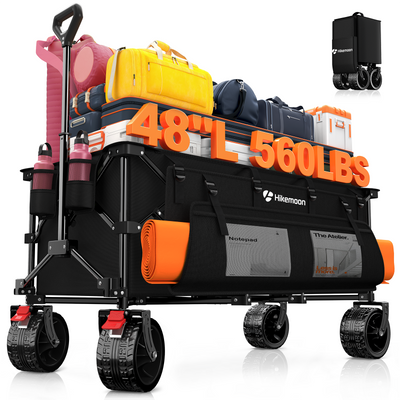
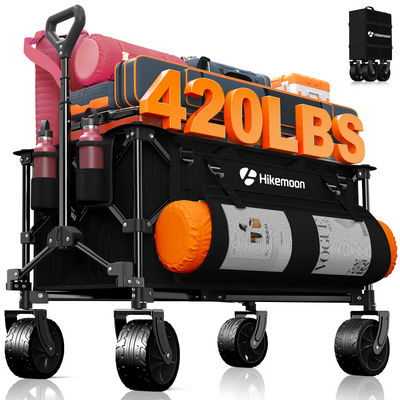
If your picnic spot involves any distance from the parking area, an outdoor wagon makes the trip significantly easier, especially with kids and a full load of gear.
Put Heavy Items Low and Centered
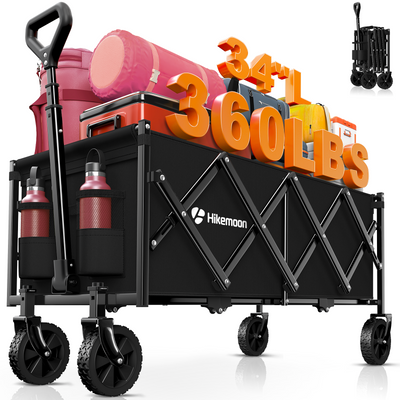
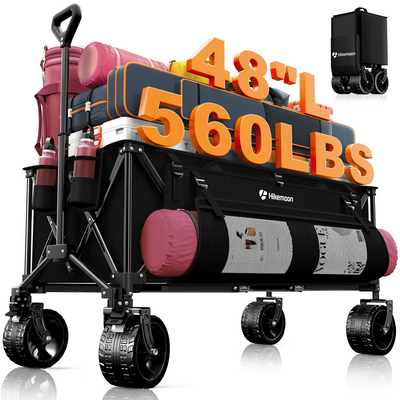
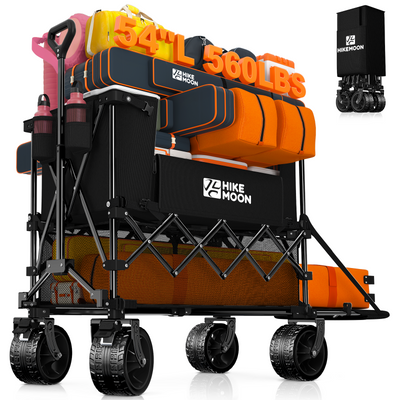
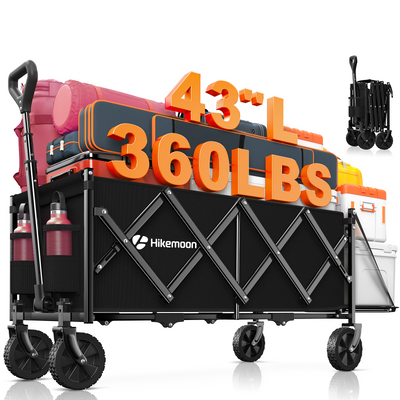
Place the cooler, water jugs, and any dense gear at the bottom and toward the center of the wagon. Keeping weight low prevents tipping on uneven ground and makes the wagon easier to pull. A 300L extra large foldable wagon gives you enough room to fit all of this without stacking items too high.
Keep Frequently Used Items on Top
Snacks, sunscreen, a blanket, and activity items should sit on top so you can reach them without unloading everything. Think about the order in which you will use things and pack in reverse, with the last things you need going in first.
Separate Food, Gear, and Cleanup Items
Use tote bags or packing cubes inside the wagon to keep categories separated. Food in one bag, gear in another, and cleanup supplies in a third. A collapsible wagon cart with interior pockets or a generous main compartment makes this kind of organization easier to maintain throughout the day.
Leave Space for the Return Trip
Do not fill the wagon completely on the way out. You will have trash bags, dirty items, and possibly a tired child who needs a ride back. Leaving roughly one-third of the space open gives you room to manage the return without struggling to fit everything back in.
Picnic Cleanup and Return Packing
Keep Trash Bags and Wipes Easy to Reach
Pack at least two trash bags: one for general waste and one for recycling if the park requires it. Keep a pack of wipes near the top of your bag for cleaning hands, wiping down surfaces, and handling spills before they set. If you are covering rough terrain on the way back, a 220L all-terrain wagon handles a full load without getting stuck on gravel or uneven grass.
Separate Wet Towels and Dirty Items
Before packing up to leave, sort wet and dirty items into separate bags. Wet towels and swimwear should go into waterproof bags. Muddy shoes can go into a plastic grocery bag tied at the top. This keeps the rest of your gear dry and makes unpacking at home much faster.
Planning Mistakes to Avoid
Using Bulky, Hard-to-Clean Containers
Large rigid containers take up more space than necessary and are harder to rinse at a park with limited facilities. Stackable, leak-proof containers that are dishwasher safe and compact when empty are a better choice for family outings.
Forgetting Openers, Utensils, or Ice Packs
A missing bottle opener or can opener is one of the most common picnic oversights. Add these to a permanent checklist you reuse each time. Ice packs should be frozen the night before, not thrown in at the last minute.
Not Preparing for Wind, Rain, or Wet Ground
Outdoor conditions can change quickly. A waterproof blanket handles wet grass, a small umbrella covers light rain, and bag clips keep napkins and wrappers from blowing away. Checking the forecast the morning of your trip takes a minute and prevents several avoidable problems.

Conclusion
A well-organized packing list makes picnics easier to prepare for and more enjoyable once you arrive. Use the checklist section as your base, adjust for trip length and group size, and pack your wagon with the return trip already in mind.
FAQs
How can I keep picnic food cold without ice packs?
Frozen water bottles work as a substitute for ice packs and can be drunk as they thaw throughout the day. You can also freeze items like grapes or yogurt tubes the night before. They act as additional cooling and double as snacks once they soften.
What picnic blanket material is best for kids and pets?
A blanket with a waterproof backing and a soft top layer handles both. Nylon or polyester blends are easy to shake out and wipe down. Cotton-only blankets tend to absorb moisture quickly and are harder to dry out when laid on damp ground.
How much water should I bring for a family picnic?
A general guideline is about 500ml per person per hour of outdoor activity in warm weather. Bring more if children are playing actively or if the day is particularly hot. Water is the one item most families consistently underpack.
How do I keep ants away from picnic food?
Keep food covered when not actively serving and avoid leaving sweet drinks open on the blanket. Setting up away from visible ant trails or ant hills helps significantly. Cinnamon sprinkled around the perimeter of your blanket is a non-toxic option that many families use with good results.